

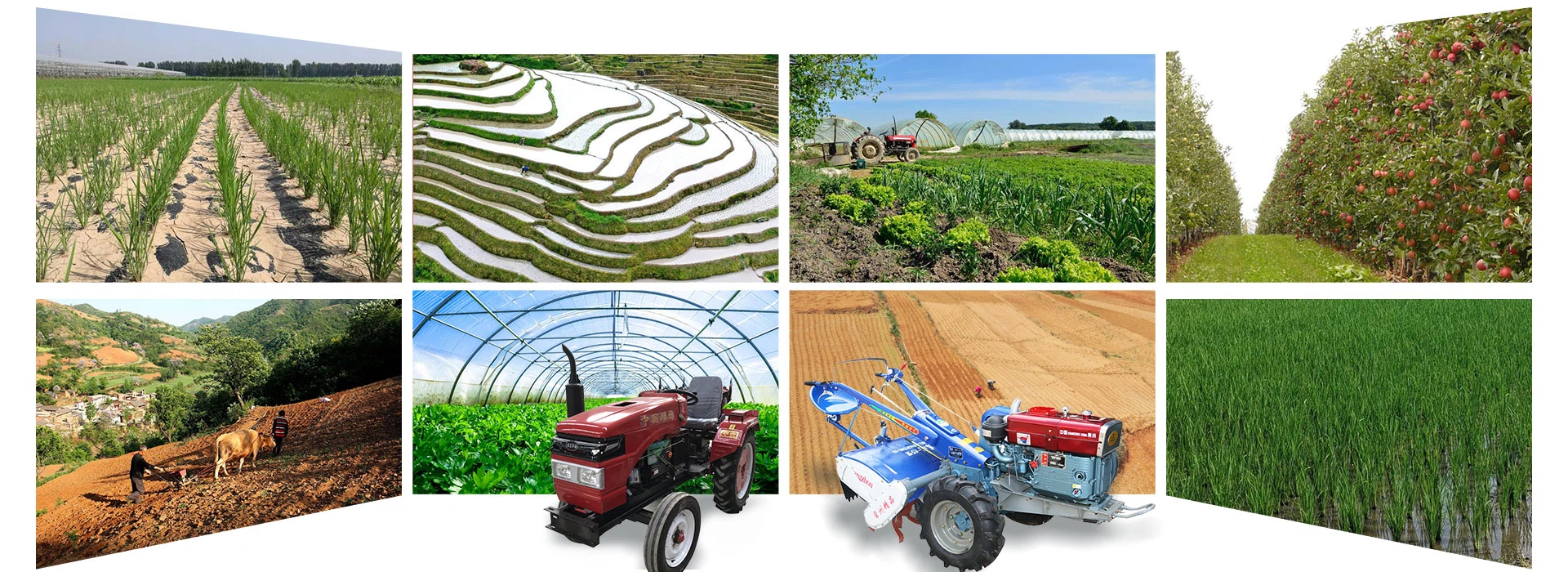
The Tiller Cultivators manufacture!
Yibiyuan Agricultural Equipment Manufacturing Co., Ltd is the subsidiary of Heze City, Shandong province. Yibiyuan Group which specializes in Agricultural equipment since 2012. We engaged in design, production, installation, commissioning, and after-sales service of agricultural machinery.


Why choose us
Quick Response Service Team:YIBIYUAN has be equipped with a seasoned service team, providing professional pre-sales and after-sales service.
Favorable Location:YIBIYUAN is located in Heze City, Shandong province. Shandong is one of the most prosperous provinces in China's machinery manufacturing industry, with a solid foundation for machinery manufacturing. The supply chain of agricultural machinery and equipment in Shandong has been very mature, and the quality of agricultural equipment produced is guaranteed.
Mature Supply Chain:Through over 10 years development, the company has established big advantages in design and production of two micro-tiller, two&four wheels tractor, and its compatible attachments. At the same time, we also produce some equipment around agriculture and aquaculture,such as: feed & Grain mill grinder, wood chopping machine,etc.
|
Model |
TDP-320 |
TDP-420 |
TDP-520 |
TDP-522 |
TDP-622 |
TDP-722 |
TDP -822 |
TDP -922 |
||||||
|
Engine Power (HP) |
12-18 |
18-25 |
25-30 |
35-45 |
40-50 |
50-60 |
60-70 |
70-80 |
||||||
|
Working width (cm) |
66 |
88 |
110 |
110 |
132 |
154 |
176 |
198 |
||||||
|
Disc diameter (mm) |
500 |
500 |
500 |
560 |
560 |
560 |
560 |
560 |
||||||
|
Plowing depth(cm) |
12-20 |
|||||||||||||
|
Shaft speed |
540-740 RPM |
|||||||||||||
|
Moving speed |
3-4 Km/h |
|||||||||||||
|
Fuel consumption |
0.60-0.75 Kg/acre |
|||||||||||||
|
Adjustable tilt angle |
±5° |
|||||||||||||
|
Weight (Kg) |
216 |
240 |
276 |
300 |
321 |
357 |
393 |
430 |
||||||
|
Dimensions (mm) |
L |
855 |
965 |
1075 |
1075 |
1210 |
1325 |
1440 |
1555 |
|||||
|
W |
1145 |
1365 |
1585 |
1585 |
1805 |
2025 |
2245 |
2465 |
||||||
|
H |
1050 |
1050 |
1050 |
1050 |
1050 |
1050 |
1050 |
1050 |
||||||
Advantages of Tiller Cultivator
Improved Soil Aeration
One of the primary benefits of using a garden tiller is improved soil aeration. Tilling breaks up compacted soil, allowing air, water, and nutrients to penetrate deeper, promoting healthier root growth.
Weed Management
Tillers can help manage weeds by uprooting and burying them, reducing competition for nutrients and water. This can lead to a healthier and more productive garden.
Fertility and Soil Structure Enhancement
Incorporating compost, fertilizer, and other soil amendments is much easier with a tiller. The tool evenly distributes these materials throughout the soil, enhancing its fertility and structure.
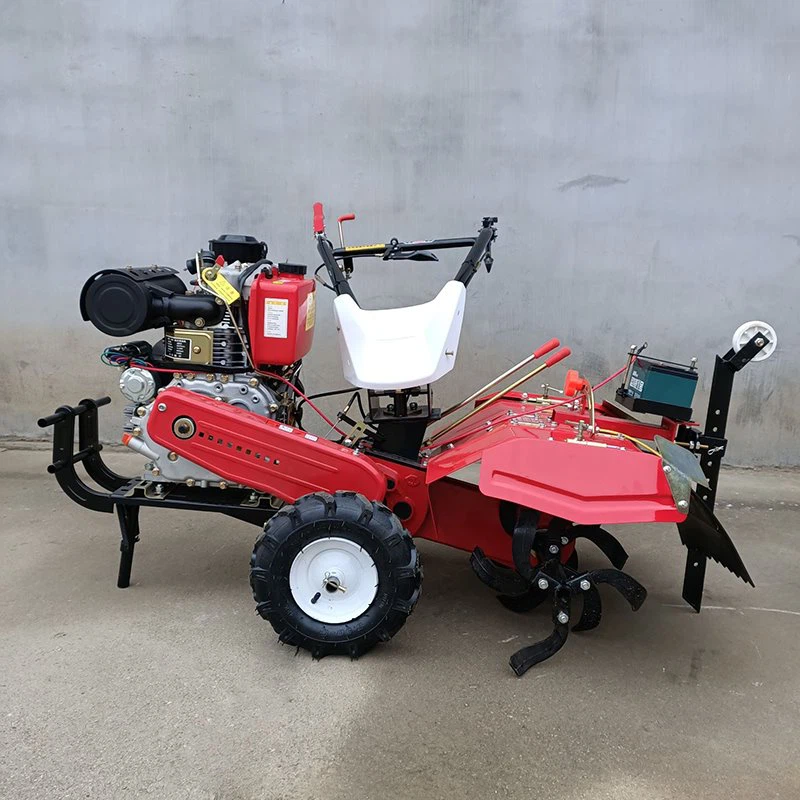
Types of Tiller
Garden Tiller
Garden tillers are larger machines that bring enough power to break ground, useful for soil stirring and ploughing. These are powered by gas and come in a range of different sizes, power level and cost. They are considered the best kind of tiller for tractors. Rotary tiller generally falls under this category.
Front-tine Tillers
They are handy in gardens with narrow rows. They're best for breaking moderately hard ground, loosening firm soil, digging small to medium gardens. They fall in between cultivators and rear-tine tillers in both power and cost.
Rear-tine Tiller
They are excellent machines breaking hard ground, loosening hard or rocky soil, and digging extensive gardens or small farm plots. Rear tine tillers incline to be large, which can make them more challenging to push and steer. However, a rear tine tiller machine allows you to leverage the machine's weight for more power. Power tiller generally falls under this category.
Vertical-tine Tillers
Vertical-tine tillers are a relatively new option. These machines have potent tines that cut forward through the soil, rather than downward like front and rear-tine models. It makes them faster and easier to use. They work well both for breaking ground on new gardens and ploughing or stirring soil on new ones.
8 Amazing Uses of Cultivators
Soil Preparation
Soil is the foundation of any successful garden or farm. Cultivators excel at preparing this essential resource. Here's how:
Breaking up clods: They break up large clumps of soil, allowing for easier planting.
Creating a fine seedbed: A well-prepared seedbed is vital for seed germination. Cultivators help create a smooth and even surface.
Mixing in fertilizers: Through the addition of fertilizers in the soil, cultivators are able to guarantee that nutrients cover the plants, rewarding them with healthy growth.
Weed Control
Weeds can choke your plants and diminish their growth. Cultivators offer an effective solution for weed management:
Chopping and burying weeds: It eliminates the weed root, which either covers it or cuts it and thereby limits its capability to grow.
Preventing weed growth: This means that using it from time to time helps prevent new weeds from growing and hence makes gardening or farming easier.
Crop Residue Management
After harvest, managing leftover crop materials is vital for soil health:
Incorporating crop residues into the soil: Workers help stir up the remnants of plants into the soil, thus improving the fertility of the ground.
Improving soil health: This process helps in increasing the nutrient content and structure of the soil, thereby improving the crops produced for the next planting season.
Incorporate Amendments
Amendments are vital for enhancing soil quality. Here's how cultivators help with that:
To mix soil amendments: Cultivators mix in different amendments like compost or lime and make sure to incorporate the same into the soil across the entire area.
Improves soil fertility: Through this mixing, the nutrients are made more available to the plants, hence vigorous growth.
Seedbed Preparation
Preparing a seedbed is a crucial task for successful planting. Here's how cultivators assist:
Loose Soil: They break the soil structure and offer an environment that is ideal for the germination of seeds, hence improving the chances of seedling survival.
Intercropping & Row Maintenance
Cultivators are also beneficial for intercropping and maintaining rows. Let's explore this:
Manage Multiple Crops: They also afford farmers the opportunity of cropping several plants on the same piece of land and each is provided with adequate space and food.
Row maintenance: Cultivators also have the function of assisting in preserving the rows since the crowding of crops smothers the ground, hence leading to constraint growth.
Cultivation & Aeration
Cultivators play a crucial role in maintaining healthy soil structure:
Promotes Air Circulation: It loosens the compacted layers of the soil so as to allow air, which is essential for root growth and the general health of plants.
Pest and Disease Management
Lastly, cultivators can assist in managing pests and diseases:
Reduce Pest Population: Through plowing, compacting, and disturbing the life cycles, they assist in pest control and disease suppression, hence creating a healthy planting environment.
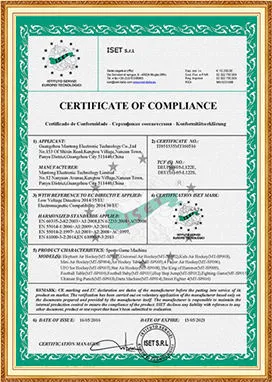
Certification
Since its establishment, achieving a number of honorary titles, accumulating rich construction experience and mastering a variety of new service technology.



FAQ
As one of the leading tiller cultivators manufacturers and suppliers in China, we warmly welcome you to buy or wholesale bulk discount tiller cultivators in stock here from our factory. All customized products are with high quality and low price. Contact us for more details.
water spray pressure pump, low flow solar water pump, Small Gasoline Tiller